Complete Guide to Paper Coating in Printing
What Is Paper Coating?
Paper coating is a finish where a film of coating material is coated over paper. This coating enhances the look, feel, strength, and quality of the print of the paper. The coating assists the paper in producing better images, more detailed text, and better coloration processes that make it applicable in high-quality printing processes.
The layer of coating is typically produced by a blend of hues, binders, and additives that provide a smooth and homogeneous finish. After putting on and drying, the coated paper is less susceptible to ink absorption as well as to poor weather, such as moisture or damage caused by handling.
Purpose of Paper Coating
In cases of paper, the coating is applied to the paper to increase its functionality and the beauty of the paper. The process enhances both brightness and smoothness in addition to rendering the paper surface more opaque, and other than this, the process controls the contact of ink with the surface.
The coated paper is the most common in commercial printing as it supports detailed images, as well as reproductions of colors. It is widely used in marketing documents, packaging, magazines, and other printed goods where appearance matters.
Types of Paper Coating
The various methods of coating depend on the purpose of the paper usage as well as the surface finish needed. The types offer a certain degree of gloss, protection, and print performance.
-
Gloss Coating?
With gloss coating, the surface is very glossy, hence enhancing the brightness and contrast of the images that are being printed. It produces clear colors and sharp details and is applicable in the instances where vivid colors and exposure are needed, i.e., magazines, brochures, and promotional materials.
-
Matte Coating
The matte finish is a smooth and smooth surface with no reflection. It eliminates the glare and renders the printed page simple and upscale. Professional documents, books, and catalogues are usually printed on paper that is sent using matte paper.
-
Silk or Satin Coating?
Satin coating or silk provides the interim in the gloss and matte. It does not offer a very high shine, but the readability and color reproduction are also good. This kind is mostly applied to high-end marketing content.
-
UV Coating ?
UV coating is available in a liquid state and is dried using UV light. It forms a protective coating, an aspect that benefits the aspect of durability, scratches, and resistance to water. UV-coated papers are normally used when packaging eco-friendly printed materials and high-end items.
- Aqueous Coating
Aqueous coating is a water-based protective coating during printing. It increases the look of printed material, besides giving feeble insurance against smudges and fingerprints.
Essential Components of Paper Coating?
The formation of the coating on the paper is based on the working joint of the materials, which forms a smooth and durable layer. These are the components that define the brightness, texture of the paper coated, and performance.
-
Pigments ?
The primary constituent of the coating mixture is the pigments. They are used to give the paper surface brightness, opacify and smoothness. The common pigments are clay, calcium carbonate, titanium dioxide, and talc.
-
Binders?
The pigment particles are cemented together into binders, which cement them to the paper surface. They assist in the formation of a hard and firm layer of coating. Common binders are latex, starch, and synthetic polymers.
-
Additives
The number of additives is very low and is applied to enhance certain characteristics of the coating. These can be dispersants, lubricants, optical brightening agents, and thickeners. Addition allows for control of viscosity, increases brightness, and supplements the performance of the coating.
Paper Coating Applications for Enhanced Paper Quality
Paper coating is popular in any industry due to the fact that it enhances the functionality and aesthetics of the materials printed.
-
Commercial Printing?
Paper is then normally coated on magazines, brochures, catalogs, posters, and advertising materials. The printed images appear sharp because of the coating, and they are also the same in terms of color.
-
Packaging ?
Many of the packaging products require paper that is coated to make them more stable and look appealing. Coatings protect the surface from moisture, grease, and handling damage, not to mention that they enhance the quality of prints.
-
Publishing
Clearer images and increased readability are also attained using coated paper in books, magazines, and journals.
-
Labels and Product Branding?
Product labels and packaging designs are extensively done with coated paper due to its capacity to offer a smooth surface for high-resolution printing.
Classification of Coated Papers
The coated papers are categorized into those with a few layers of finish on the surface and the degree of coating applied. Through these differences, paper manufacturers can produce any type of paper that satisfies the different needs of printing.
-
Gloss Coated Paper
A shiny and reflective surface is present on gloss-coated paper. It perfectly suits photos and color graphics.
-
Matte Coated Paper?
The matte coated paper is not reflective, and its surface is smooth, hence it can be used in text-intensive as well as official paperwork.
-
Silk or Satin Coated Paper
This coated paper is of a soft sheen, balancing the images with readability.
-
Dull Coated Paper
Dull coated paper provides the same finish as matte; it is a little brighter and of a smoother texture.
-
Cast Coated Paper
The paper is cast coated, where the coated paper is dried on a polished metal surface to produce a very glossy paper. It has been applied to high-end packaging and labels that are high-end.
Why is Paper Coating Important?
Paper coating has various benefits that enhance the performance and look of the printed materials.
-
Improved Print Quality
The use of coated paper allows the ink to remain on it rather than being consumed quickly. This enhances the clarity of images and text.
-
Increased Color Reproduction
The coated surface is smooth, and so, the reproduction of colors becomes more precise, and printed graphics look more vivid and detailed.
-
Increased Durability
Coating gives a coating layer which increases moisture, scratch, and smudge resistance.
-
Better Surface Smoothness
The paper covered is smooth and has an even feel, and this enhances the regularity of the printing output.
-
Professional Appearance
Coated paper has a higher quality and appearance of polish when the printed materials are created.
How Is Paper Coating Done?
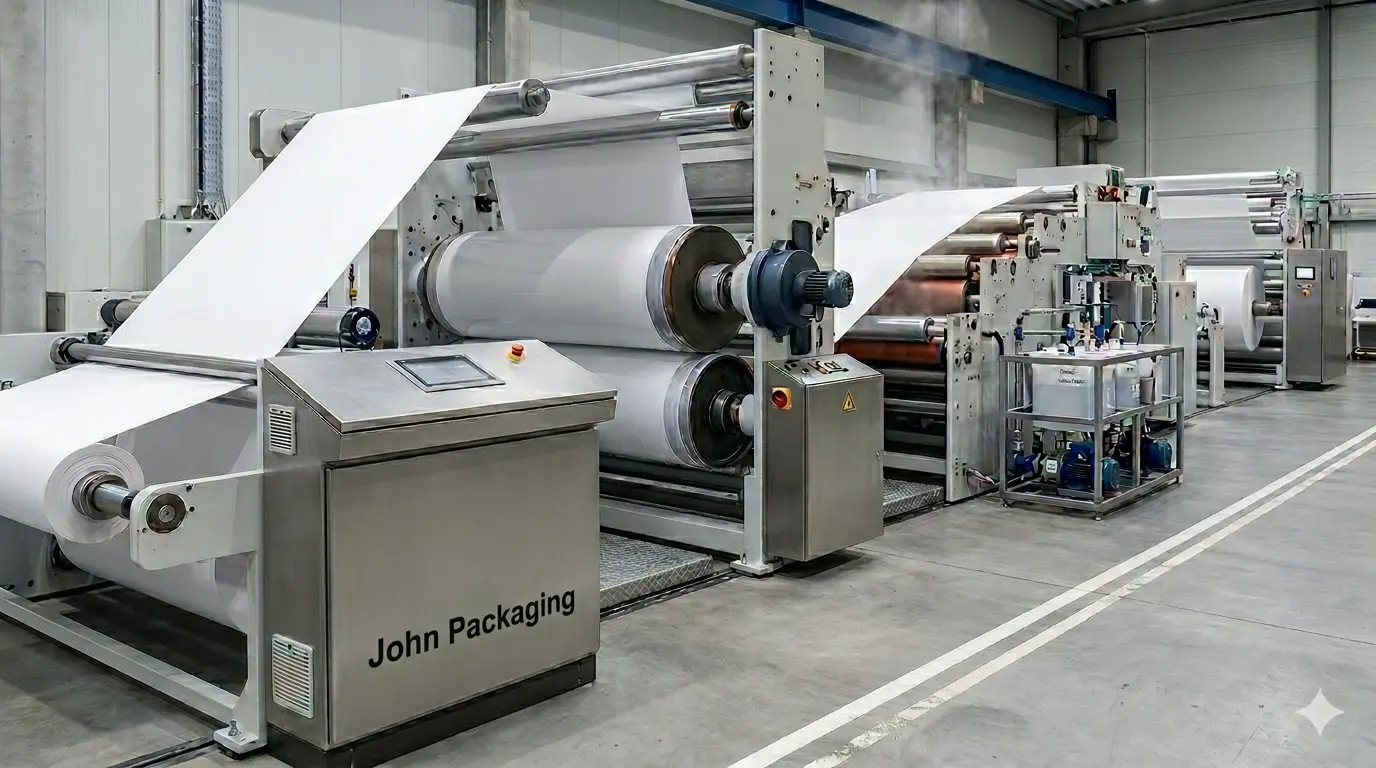
There are several stages that are followed in the paper coating process to convert plain paper into a coated product with enhanced performance.
? ? ?1. Preparation of coating mixture
The initial process involves the manufacturing of the coating formulation, which involves the combination of pigments, binders, water, and additives in measured ratios.
? ? ?2. Application of Coating? ?
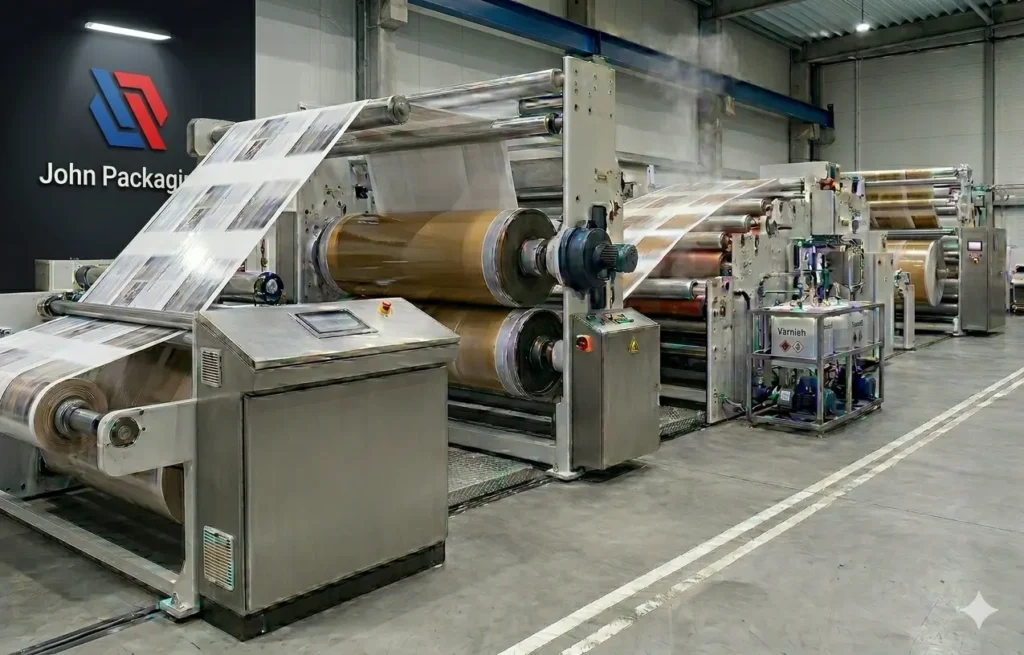
Application of the coating mixture on the paper surface is done using specialized tools like blade coaters, rod coaters, or air-knife coaters. The coating layer should be uniform to ensure uniformity.
? ? ?3. Drying
Once applied, the coated paper goes through the drying systems, eliminating surplus moisture and fixing the coating layer.
? ? ?4. Finishing?
After drying, it may undergo further finishing operations like calendaring on the coated paper. This is done to put a smooth finish on the surface and enhance the gloss and uniformity.
Role of Paper Coating in Printing
Paper coating plays a very significant role in the print industry since it determines the clarity of the print, accurate coloring, and the behavior of the ink.
The printing inks are placed over the coated paper, as opposed to deep into the fibres of the paper. That is why the details are more accurate, and the colors are brighter due to such controlled ink absorption.?
Offset printing and digital printing are high-quality printing techniques that are based on using coated papers to produce professional printing. Image-heavy designs, product packaging, and promotional materials are also best done on coated papers where the visual aspect of the design matters.
Coated Paper vs Non-Coated Paper
There are differences between coated and non-coated papers in terms of surface quality, performance in printing, and normal usage.
-
Surface Texture
The coated paper has a smooth and polished surface because of the coating layer applied. Paper that is not coated has a natural and a little coarse texture.
-
Ink Absorption
It was painted onto coated paper, and the process was slower, so that sharper images and richer colors are possible. Uncoated paper is fast to absorb ink, making the images soft.
-
Print Quality
Tinted paper is coated with high-resolution printing and has higher color accuracy. Plain paper is more appropriate for printing simple texts.
-
Typical Applications
Magazines, brochures, catalogs, and packaging are all normally done on coated paper. Books, stationery, notebooks, and office documents are usually printed on non-coated paper.
Conclusion
The process of paper coating is of interest to the paper and printing industry, which enhances the appearance, durability, and performance of paper products. The manufacturers can make smoother paper surfaces, enhance color reproduction, and make paper more resistant to wear by using a well-thought-out coating layer.
The various requirements of various types of industries, such as printing, packaging, publishing, and branding, can be satisfied by using coated paper, depending on the types of coating, material, and application methodology. The knowledge of the paper coating types, materials, and advantages enables business organizations to make the right choice of paper to use in printing and packaging their products and services.
FAQs:? ?
What is the effect of coating paper on the quality of print? ?
The coating forms an even layer, which regulates the absorption of the ink. This enables the printed images and text to look sharper and finer.
What are the industries that normally use coated paper? ?
Coated paper is popularly utilized in printing, packaging, advertising, publication, and labeling. It particularly suits products that have a high visual presentation.
Why should magazines and brochures have coated paper? ?
There is also high-resolution content of the graphics and images, and these are usually found in magazines and brochures. Just covered paper can be used in the reproduction of these visuals in proper colors.
What is the impact of the coating process on the smoothness of paper? ?
The coating also seals micro pits between the fibers of paper and makes the surface smoother. This has created smooth paper that can be printed in detail.?