What is Digital Printing?
Digital printing, at its most fundamental level, is the process of directly transferring digital-based images to a range of media substrates. It does not require a printing plate as compared to conventional technology. Instead, it makes use of digital files – PDFs, TIFF, or EPS files – and simply transfers them to the printing press.
Purpose
Digital printing serves much more than reproduction; it is a means of agility. It is the technological interface between creative vision and physical reality in a marketplace that requires very fast turnaround times and hyper-personalization. It mainly aims to provide a simplified approach to print runs in short to medium sizes at a low cost.
What Is a Digital Printing Press?
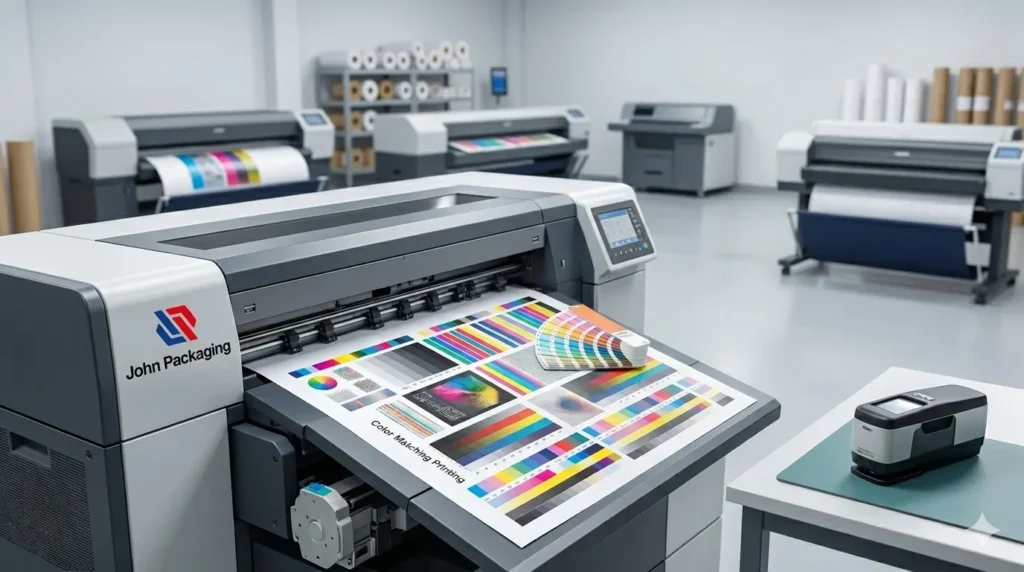
A digital printing press is the advanced hardware that brings digital files to life. Although it may look like a standard offset press from a distance, the internal mechanism is completely different. A digital press does not use metal plates for printing. Instead, it works more like a professional industrial printer, but at a commercial scale.
These presses use toner or liquid ink. Modern machines such as HP Indigo or Canon models can print on paper, plastic, canvas, and synthetic substrates. They offer high precision, consistent color reproduction, and advanced finishing capabilities.
Digital Print Design: Technical Considerations
The canvas of digital printing is the digital file, and digital print design combines aesthetics with precision. Unlike traditional design, digital workflows are more flexible and do not depend on physical plate limitations.
Designers have complete freedom to use unlimited colors, gradients, and high-resolution images without concerns about trapping issues common in offset printing. However, this flexibility also comes with technical responsibilities.
Classifications of Digital Printing
Digital printing is not a single technology but a collection of methods used for different applications:
Inkjet Printing
The most common method where ink droplets are sprayed onto the substrate. It is used for everything from office documents to large-format printing like banners and wall graphics.
Laser / LED Printing
This method uses a laser or LED to create an electrostatic charge on a drum. Toner sticks to charged areas and is fused onto paper using heat. It is widely used for high-volume document printing.
Dye-Sublimation
A heat-based process where dye is transferred into materials like fabric, plastic, or coated paper. It is commonly used for textiles, mugs, and phone cases.
Understanding the Digital Production Cycle
File Preparation
The design is created or edited using graphic design software.
RIP (Raster Image Processing)
The file is converted into a bitmap so the printer can interpret it accurately in terms of layout, size, and color.
Printing Process
Ink is applied depending on the technology used:
- Inkjet sprays microscopic droplets
- Laser uses toner fused by heat
Transfer
The image is transferred onto the final material.
Finishing
The printed output is immediately ready for cutting, binding, or lamination.
The Technique Behind the Technology
Digital printing uses Variable Data Printing (VDP). Unlike traditional printing where every sheet is identical, digital printing allows customization of each print.
This makes it possible to personalize marketing materials for individual recipients using database-driven content.
Advantages of Digital Printing
- Speed and Agility: No plate setup required, enabling fast production
- Cost-Effective for Short Runs: Ideal for small quantities
- Personalization: Each print can be customized
- Proofing: First print can be final output
- Eco-Friendly: Produces less waste and uses fewer resources
Commercial Applications
Digital printing is widely used in:
- Marketing materials
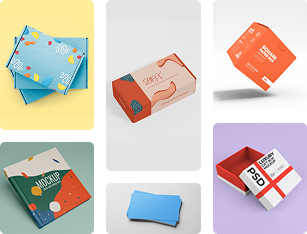
- Packaging and labeling
- Books and corporate documents
Businesses no longer need to print large quantities and store them. Instead, they print on demand, reducing waste and storage costs.
Limitations of Digital Printing
- Cost Per Unit remains constant
- Color Fidelity may not always match offset printing
- Substrate Limitations for very thick or textured materials
Digital Printing vs Offset Printing
Offset Printing
Uses metal plates and rubber blankets. Best for large-volume, high-quality printing but has higher setup time and cost.
Digital Printing
Faster, flexible, and ideal for short runs and personalized content.
Conclusion
Digital printing has transformed the printing industry by making it faster, more flexible, and highly customizable. It has reduced barriers to entry and enabled personalized marketing at scale. While offset printing remains dominant for large volumes, digital printing continues to grow as the preferred solution for modern, on-demand printing needs.
FAQs
Can digital printing be used for large-volume projects?
Yes, but offset printing is usually more cost-effective for extremely large runs.
Can I see a sample before full printing?
Yes, digital printing allows proofing before final production.
Is there a limit on paper thickness?
Yes, very thick materials may require specialized equipment.
What is the minimum quantity for digital printing?
There is no minimum; even a single copy can be printed.