What is UV Printing
UV printing is a new technique of printing, whereby the ultraviolet (UV) light is employed to cure or dry the inks immediately after laying. Unlike the traditional method of printing, where the inks are dried by evaporation or absorption, the UV inks have nearly the same drying speed when they are exposed to the UV lamps. This removes smudging, smearing, or distortion of color.
UV printing has one of the greatest benefits in that it can be used on very diverse materials. UV inks can be used in printing paper, cardboard, plastic, vinyl, acrylic, and even metals. This has made it a choice in packaging, labeling, advertising, and high-quality commercial printing.
UV printing makes the images and prints sharp and rich, and they last longer. The ink recovered becomes solid and thus resistant to scratches, fading, and environmental effects. This also makes the print attractive in the long run.
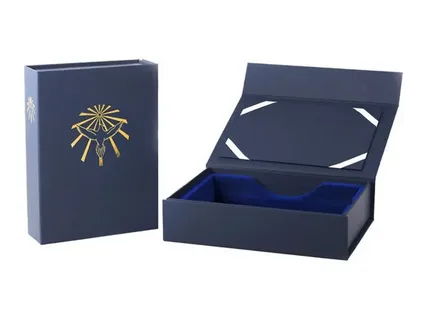
What is Spot UV
The Spot UV is a finishing process whereby the light glossy coating is applied on specific areas of a printed surface instead of the whole sheet. The finish is dried in UV, and a smooth and shiny layer is created on the areas.
The major usage of spot UV is to highlight certain design features such as logos, titles, pictures, or patterns. The mixture of the glossy surface and the matte background also directs one to pay attention to these areas, allowing the experience of the picture and touch to be more pleasurable.
Spot UV has been widely applied in business cards, invitations, book covers, labels, high-end packaging, and brochures. It advances design to another level, so that the products are work-related and classy.
Categories of Spot UV Finishing
Flat Spot UV
The most common one is the Flat Spot UV, whereby a thin glossy coating is placed on areas of choice. It gives a shine without adding any thickness, which makes it acceptable as a logo, heading, or a simple design accent.
2. Raised Spot UV
Raised spot UV entails the use of a heavier coating to make a slightly raised surface. This gives it a touch aspect, and the user can touch the design. It is perfect as a luxury packaging and business cards of high quality.
3. Textured Spot UV
In Textured Spot UV, a design or pattern is made on the covered surface. The fine texture is very artistic and enhances depth, and is usually applied in book cover designs and creative packaging.
4. Glitter Spot UV
Glitter spot UV is a glitter product with reflective particles that gives a glittering effect when light strikes the surface. It is commonly used for invitation purposes, decorative wrapping, and items that demand a visual appeal.
Major Advantages of Spot UV in Packaging and Printing
Enhanced Visual Appeal
Spot UV produces a high contrast between the glossy and matte surfaces, and the most important design details can be seen better. This is shiny and enhances the appearance of printed materials.
Better Brand Presentation.
Emphasizing logos, brand names, or tag lines assists companies in reinforcing identity. Spot UV makes brand elements easy to memorize and see.
Durability and Protection
The coating also prevents scratches, fingerprints, and other small damage to the printed material, which prolongs the life of the print material.
Business and high-end Look
Spot UV finish provides a high-end and smooth image on printed material. It is commonly equated with luxury goods and business promotional tools.
Design Flexibility
Spot UV has been used to enable the designer to highlight certain areas of a design without interfering with the overall work of art. This offers flexibility and design flexibility in prints.
Industries That Use Spot UV Printing
Packaging
Spot UV finds much use in the design of compact items like cosmetics, perfume, electronics, and alcoholic beverages. Logos, product names, or patterns are stressed to give it the appearance of luxurious.
Business Cards
A lot of businesses use Spot UV on logos, contact details, or other distinctive design features. This gives a professional touch and contributes to making an excellent first impression.
Book Covers
Spot UV is usually applied to the titles, illustrations, or decorative patterns of publications to make them look appealing to the readers and attract them.
There will be brochures and marketing materials
Highlighting in headings and pictures or useful information is done with spot UV. It increases the readability and aesthetic worth of flyers and brochures, as well as catalogs.
Labels and Tags
Spot UV is commonly used in product labels to emphasize branding and enhance the appearance of products on retail shelves to appear very polished and high-end.
Procedure of Spot UV Coating
Design Preparation
The designers make a separate layer in the artwork file to demonstrate the regions in which the UV coating will be applied. This guarantees accuracy in the process of coating.
Base Printing
The main item is a printed artwork that is done either through conventional or digital printing. The printed sheets need to be completely dry or cured, and then the Spot UV coating is applied.
Application of UV Coating
The specific parts are covered with a clear film through the process of screen printing or specialized coating machinery. It is essential to be applied accurately to align itself with the design.
UV Curing
The coated sheets are taken through the ultraviolet lamps, and immediately the coating is cured into a hard and glossy coating. This process provides printed spots with shine and toughness.
Quality Inspection
The last products are checked in terms of alignment, surface finish, and consistency. This would make sure that the Spot UV effect makes the design flawless.
Important Points Before Applying Spot UV
Surface Contrast
Spot UV works best on flat and dull surfaces since the shining coating is more salient. Applying it to already smooth surfaces could diminish the effect of the image.
Design Clarity
Spot UV is normally good with bold and larger areas of design. Small texts or fines cannot yield the required effect because of coating restrictions.
Alignment Accuracy
The registration of the printed design and the Top UV is required to be accurate. Mismatch may render the finished product to appear professional.
Material Selection
UV coatings do not react to all substrates. The use of paper, cardboard, or synthetic materials, which facilitate Spot UV, makes the adhesion and finish appropriate.
Cost Considerations
Spot UV involves an extra process for printing, which may be costly in terms of production costs. Nevertheless, increased visual attractiveness and professionalism usually justify the cost.
Conclusion
Spot UV is a specialized finishing method that helps in adding a glossy UV finish to the parts of the printed materials. It enhances the main design features by introducing a contrast between the coated and uncoated surfaces and provides visual and tactile interest.
This process enhances a better brand, surface protection, and provides materials with a high-end professional appearance. Spot UV has been popular in packaging, business cards, book covers, brochures, labels, and other marketing materials. Spot UV can be applied well to increase the perception and quality of the products that are printed, if it is applied with the appropriate design planning, appropriate material, and appropriate application.
Altogether, Spot UV is a valuable instrument that should be utilized in the modern printing world; it provides designers and companies with an opportunity to create high-quality and attractive printed materials with long-term resonance.
FAQs:
Is it possible to use Spot UV on other finishes?
Yes, Spot UV may be paired with other options of finishes such as embossing and foiling of matte coating. Such a combination enables designers to produce layers that are used to create more luxurious and visual effects.
Are there any differences between raised and flat Spot UV?
The raised Spot UV creates a mildly raised covering that can be touched, which further gives the design a tactile aspect. Flat Spot UV, at the same time, is thinner and is more visually shine-oriented than texture-oriented.
Is it possible to apply Spot UV on smooth, shiny surfaces?
It may be used on shiny surfaces, and the effect is not so striking as it has no contrast. Spot UV usually has a superior visual effect on surfaces that are uncoated or matte.
Is it applicable to use Spot UV on business cards?
Absolutely, applying spot UV on names, logos, or important design parts will make business cards look professional and high-end, which will create a good first impression.
Will Spot UV produce any texture on the paper?
Spot UV also produces a smooth or raised, glossy texture depending on the type employed. Adding raised finishes gives the piece a tactile component, which increases the sensuality of the print piece.