

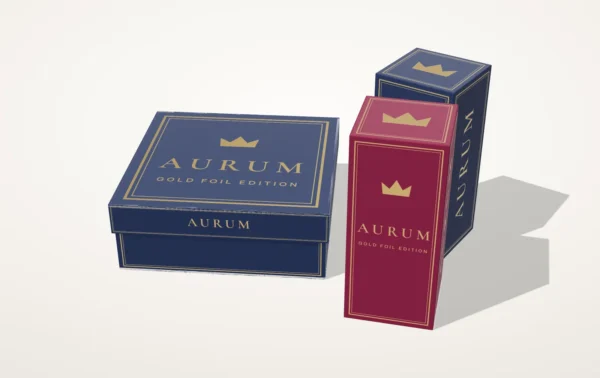
Foil Stamping on Packaging: Types, Costs and Design Tips
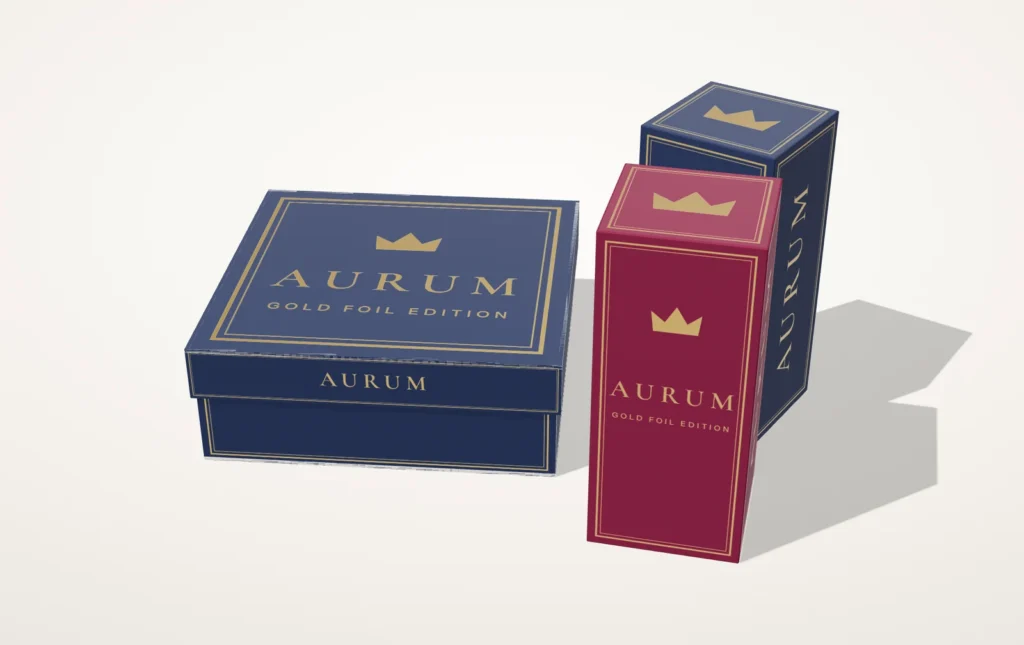
Foil stamping explained: how hot foil adds metallic logos to custom boxes, the main foil types, design tips and when it is worth the cost.
Embossing vs Debossing on Custom Boxes

Embossing raises a logo above the surface and debossing presses it in. Here is how each works on custom boxes and when to use them.
Box Lamination: Gloss vs Matte vs Soft-Touch
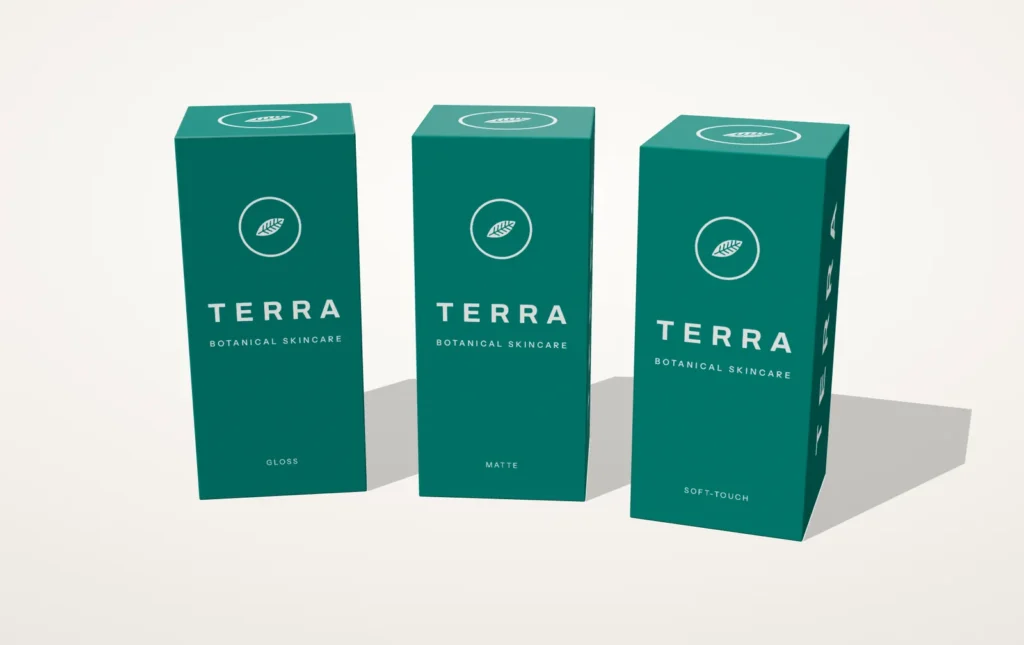
Gloss, matte and soft-touch lamination compared: how each looks and feels, how much it protects your boxes, and which one suits your brand.
Window Patching: Clear Windows on Custom Boxes

Window patching adds a die-cut window with clear film to your box so customers can see the product. Here is how it works and how to design it.
Varnish Coating in Printing: Types, Uses and Process

Varnish coating on printed boxes explained: gloss, matte and satin types, how it is applied, and when to choose it over UV or aqueous.
Paper Coating in Printing: Types, Materials and Process
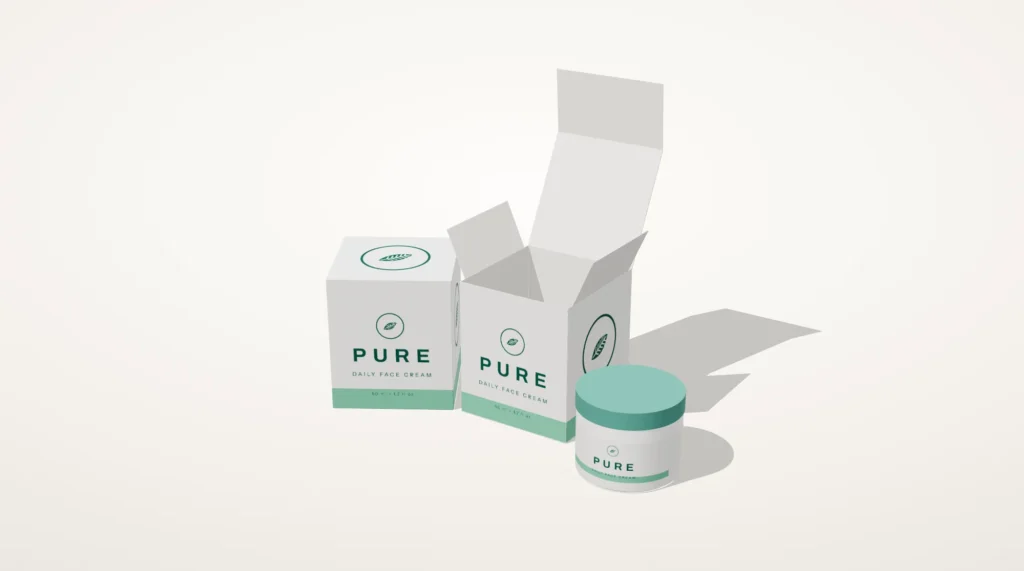
Paper coating for printed packaging: coating types, materials and process, and how each finish changes print quality, feel and protection.
Spot UV Printing: How It Works on Custom Boxes

Spot UV printing explained: how a raised gloss layer highlights logos on custom boxes, the main types, and design tips for best results.
UV Coating on Packaging: Process, Types and Benefits

UV coating on packaging: how it cures, gloss vs matte types, benefits and drawbacks, and which custom boxes it suits best.
Aqueous Coating: Water-Based Finish for Printed Boxes

Aqueous coating explained: a water-based finish that protects printed boxes. Types, process, benefits, and how it compares with UV and varnish.