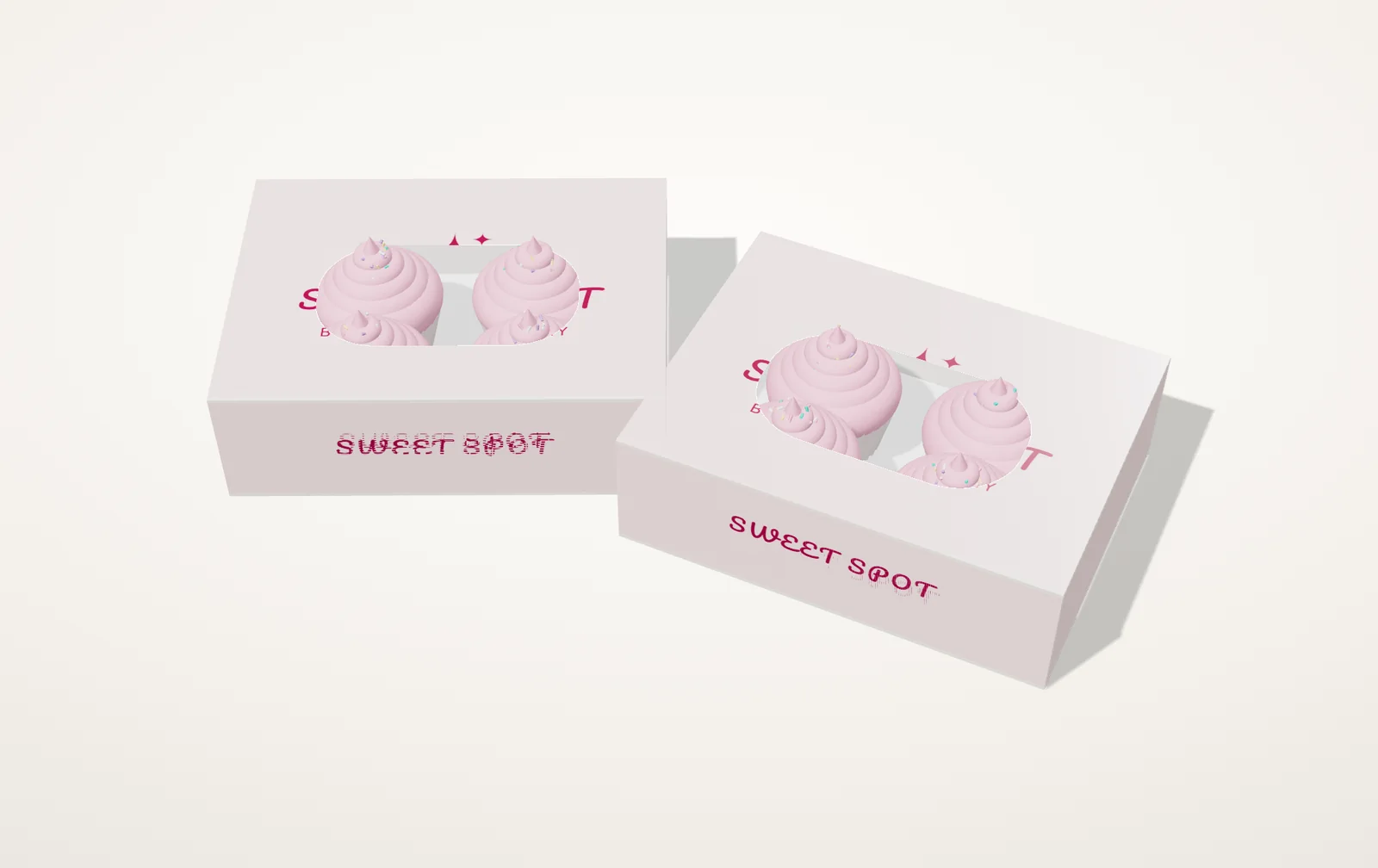
A window lets customers see the product before they buy, which builds trust and often closes the sale. Window patching is the process of die-cutting an opening in the box and gluing a clear film over it from the inside. It is widely used for bakery, soap, toys, apparel and cosmetics.
How window patching works
- The box is printed and finished as normal.
- The die-cutter cuts the window opening at the same time as the box shape.
- A window patching machine glues a piece of clear PET film over the opening on the inside.
- The box is folded and glued, then shipped flat.
Window shapes and positions
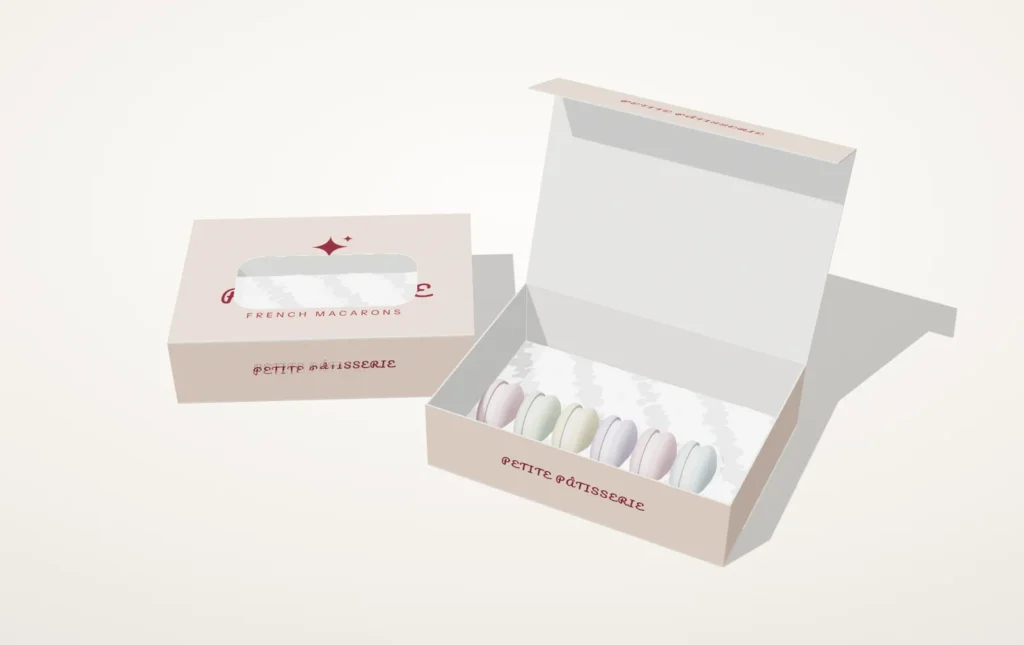
Windows can be rectangular, round, oval or a custom shape that echoes your logo or product. They can go on the lid, front panel or side panel. Some boxes use two windows, for example on the front and top, so the product is visible from the shelf and from above.
Which boxes can have windows?
- Window boxes and tuck end cartons
- Mailer boxes and bakery boxes
- Gable boxes and pillow boxes
- Sleeves and drawer boxes
Film options
We use clear PET film as standard because it is clear, stiff and resists scratches. For a fully plastic-free box, you can choose an open window without film. This works for products like candles and soap where dust protection is less important.
Design tips
- Keep the window at least 1/4 inch from folds and edges so the box stays strong.
- Think about what customers will see: line the window up with the most attractive part of the product.
- Use an insert or tray to hold the product still behind the window.
- Mark the window on your dieline as a separate layer. Our team can do this for you as part of free design support.
FAQs
Is the film food safe?
The PET film we use is suitable for indirect food contact. Unwrapped bakery items should sit on food-safe board.
Does a window increase the price?
Yes, slightly, because of the film and the extra patching step. It is usually a small part of the box price.
Can I have a window on a kraft box?
Yes. Windows look great on natural kraft boxes.